I recently replaced my old dentures. The new ones fit better, but I hate how I look in them. My lips seem thinner, the area around my mouth looks sunken, and when I smile, the teeth look too small. I feel like these dentures aged me ten years. My dentist says they fit correctly and I just need to get used to them. Can anything be done, or am I being too picky?
Marilyn
Dear Marilyn,
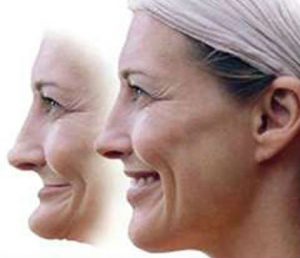
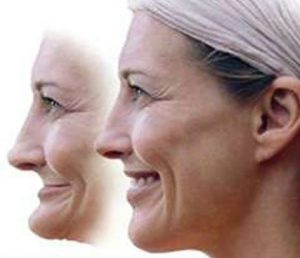
Before and after facial collapse.
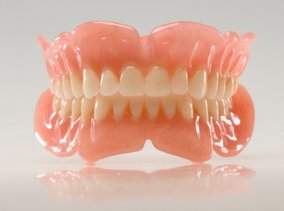
You are not being too picky. Dentures do much more than replace teeth. They also help support your lips and cheeks, influence the proportions of your face, and shape your smile. A denture can “fit correctly” in the sense that it stays in your mouth and allows you to chew, yet still fall short aesthetically.
You deserve dentures that help you feel comfortable and confident—not dentures that make you want to hide your smile.
Why Dentures Can Change the Appearance of Your Face
Teeth That Are Too Small
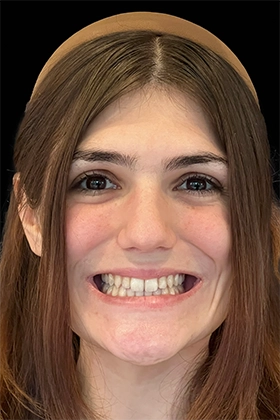
Denture teeth need to be chosen with your facial proportions, age, and natural smile in mind. Teeth that are too small or too short may not show sufficiently when you speak or smile. This can contribute to an older-looking appearance.
The opposite problem can also occur. Teeth that are too large, too bright, or too perfectly uniform may look artificial. Creating beautiful cosmetic dentures requires artistic judgment as well as technical skill.
An Incorrect Bite Height
When your upper and lower jaws are too close together, the lower third of your face can look compressed. This may make the chin appear closer to the nose and deepen the lines around the mouth.
Dentists call this measurement the vertical dimension. Determining the correct vertical dimension is an important part of designing dentures that are both attractive and functional. It can also affect your comfort, speech, and ability to chew.
Teeth Positioned Incorrectly
Even attractive denture teeth can look wrong if they are not positioned well. Their angle and placement affect how much tooth shows, how your lips are supported, and whether your smile looks natural.
This is one reason the wax try-in stage is so important. It gives the dentist and patient an opportunity to evaluate the tooth shape, color, size, and arrangement before the final denture is completed.
Insufficient Support for Your Lips and Cheeks
Natural teeth and their roots help support the lower portion of your face. After teeth are removed, the jawbone gradually loses volume through a process called resorption. As the ridge supporting a denture becomes smaller, the lips and cheeks may begin to look sunken.
A well-designed denture cannot replace lost bone, but its shape can provide some support for the soft tissues of your face. If the denture does not provide enough support, your lips may look thinner and the folds around your mouth can appear deeper.
That being said, you didn’t mention how long you’ve been in dentures. That shrinking of your bone is known in dental circles as facial collapse. It can not only age your appearance by decades, but eventually you will not be able to keep your dentures in your mouth no matter how many new ones your dentist makes.
Do You Just Need Time to Adjust?
There is an adjustment period with any new denture. It can take time to become accustomed to speaking, chewing, and swallowing with it. Minor areas of discomfort may also require adjustment.
However, time will not make teeth that are too small become larger. It will not correct an inadequate vertical dimension or provide facial support that was not built into the denture. If you dislike the fundamental appearance of your smile, it is reasonable to ask your dentist to evaluate why.
If is it not a matter of facial collapse, then, start by explaining the specific changes you see. Photographs taken before you lost your natural teeth—or even photographs of you wearing your previous dentures—may help your dentist understand the appearance you want.
Dealing with Facial Collapse

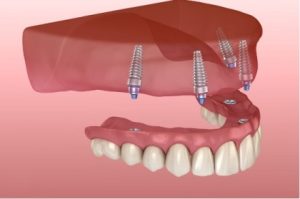
If bone loss and your dentists slipping are an issue, the solution is implant overdentures. These are done by have dental implants placed in your jaw and then your dentures can be anchored to them.
However, your lost bone will have to be replaced first. This can be done with a bone grafting procedure.
Implants will not automatically correct an unattractive smile, however. The visible denture still needs to be designed by a dentist who understands facial proportions, tooth selection, and smile aesthetics, but they will prevent facial collapse and keep your dentures secure. There will be no more slipping and sliding, but you will also be able to eat anything you want again without any problem chewing.
Even if you are not dealing with facial collapse now, you will. It is an inevitable result of completely removable dentures. I hope your dentist warned you about that when you consulted him about dentures.
Get a Second Opinion Before Starting Over
Do not rush into having another denture made without first determining what went wrong with this one. Look for a dentist with experience in both restorative and cosmetic dentistry. They should look at:
- The support provided to your lips and cheeks
- The height and proportions of your lower face
- The size, shape, color, and position of the teeth
- Your bite and jaw comfort
- The fit and stability of the denture
- The condition of your jawbone
When you do get that second opinion, make sure you don’t tell them who your dentist is. The dental world is a small one. It’s better if he or she doesn’t know. That way they can give you an unbiased opinion.
This blog is brought to you by a compassionate Kalamazoo cosmetic dentist Dr. Susan Dennis.